Plymouth
The Salt PathPlymouth is both a physical threshold and an unsettling encounter with homelessness in the city. As Ray and Moth approach the final stretch of their walk, its streets replace the coast path’s familiar rhythm with difficult choices, financial strain, and a night spent exposed among people sleeping rough. The city makes visible a vulnerability that the open landscape had, paradoxically, allowed them to manage with greater confidence.
An urban threshold on the final stretch
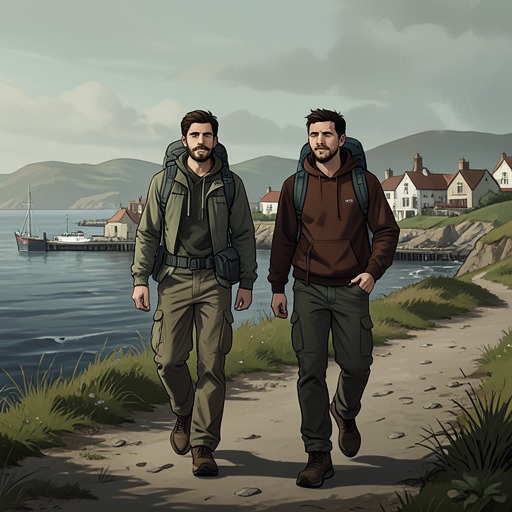
After walking through rain, Ray and Moth approach Plymouth as a barrier and a doorway into an unknown future. The trail’s familiar routine had given them a measure of certainty: pack the tent, walk, and repeat. Now only a few days separated them from Polruan and the end of their route, while the next two ferry crossings came to represent the journey’s final leg. Their apprehension was not just about money or the practical work of starting again; Ray also feared what would happen to Moth when walking eventually had to stop.
The choice of whether to enter the city was shaped by exhaustion as well as geography. At Mount Batten, they weighed the price of ferries against a five- or six-mile walk through the city. Crossing to the Barbican and then taking another ferry to Mount Edgcumbe cost more, but might leave them nearer open ground and a place to camp. The cheaper route risked arriving too late for the last crossing and having to sleep in the city; walking through Mount Edgcumbe Country Park could mean meeting the deer-park patrols and searching for a campsite in the dark. With just fifteen pounds, a packet of noodles, and half a tube of wine gums, they chose the two crossings, reserving nine pounds for food for the next two days.
That plan unravelled at the ferry. After buying what food they could find in the Barbican, they returned to wait with half an hour to spare. They ate bread rolls and bananas on the metal walkway, but the ferry was late; when it arrived, the ferryman drew the barrier and said he would not go to Mount Edgcumbe, with no further crossing until the next day. The failed connection turned a careful calculation into an unwanted night in the city. Ray felt panic at the prospect of sleeping among crowds, where, unlike on the trail, anything might happen.
The city at night
With no crossing available, Ray and Moth walked aimlessly from the Barbican, past the shopping centre and through university buildings as the street lights came on. The contrast between their immediate poverty and Moth’s anticipated student life sharpened the scene: he was due to become a student the following month, yet they could not afford the bus. Their exchange does not resolve that contradiction; it places a future plan beside the urgent limits of the present.
Under an underpass, they saw a homeless man making a bed from cardboard and a sleeping bag. Ray noticed that his sleeping bag was better than the ones they had owned the previous year, but that he seemed to have been outside for a long time. When he asked for money for food, Moth searched their food bag and offered bread and a tin of tuna instead. The encounter unsettled the boundary between observer and observed: they, too, were homeless, but could offer only what little food they had.
They later encountered Colin, who had a bruised face and said he had spent the previous night getting away from Dean, whom he described as being fuelled-up and having no brakes. Moth bought another sandwich and had it wrapped for him. Ray felt that leaving Colin behind would amount to abandoning him; Moth answered that it was nobody’s fault and that Colin’s reaction suggested this was probably a familiar pattern. The exchange gives the city’s homelessness a particular face and an immediate circumstance, without suggesting that one meal could undo the danger or repetition of his nights.
Official figures for autumn 2014 put the number of rough sleepers in Plymouth at thirteen. Ray reflects that, if the figure was accurate, they met all of them that night, and some. At the Hoe, every side street or bench seemed already occupied by someone sleeping in a bag, curled under a blanket, or lying on the ground to keep warm. The discrepancy between the small official count and the number they saw intensifies the sense that people could be present everywhere and still go uncounted.
Exposure and the return to the coast
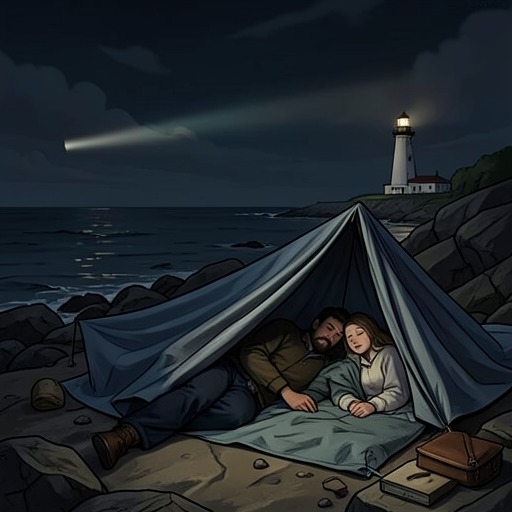
Near Smeaton’s Tower, Ray and Moth found a patch of grass at the most hidden edge and spread out their mattresses and sleeping bags rather than pitch the tent, which would have made them too conspicuous. Street lights kept the night in a permanent twilight. Ray, who had not felt nervous in the rawness of the natural landscape, felt exposed in the densely packed city: footsteps, raised voices, and car doors startled her. The difference is more than scenery. On the path, hardship had come with space and a sense of choice; in Plymouth, proximity to others did not provide shelter or safety.
At daybreak they packed away their sleeping bags and boiled water on a bench. Later, passing a cash machine, they checked an account without knowing for certain what day it was or whether money would be there, and gratefully withdrew thirty pounds. They shared a sausage sandwich in a café, then bought food as a hooded, bruised Colin shuffled down the street. These small acts—checking the balance, sharing breakfast, setting aside another sandwich—show how the next steps depended on money that arrived in limited amounts and food that could be divided.
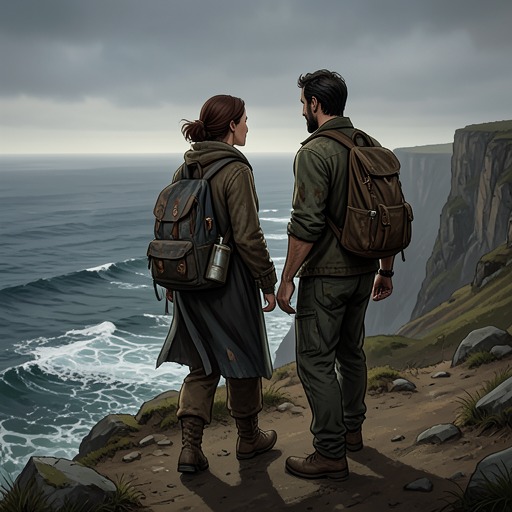
Once they had left the city and crossed back into Cornwall, the coast restored a familiar sense of direction. Near Penlee Point, their tent rattled in the wind below Queen Adelaide’s Chapel as they watched a large illuminated ferry sail out of Plymouth Sound. Ray remembered an earlier crossing on that ferry, when their children were small and life had seemed to be falling into place. The vessel’s lights dwindled and disappeared; the old life, she recognized, had sailed away. The scene closes the contrast begun in the city: Plymouth is a passage they must negotiate, but also a vantage point from which they can acknowledge what has been lost and turn toward the remaining days of the walk with hope.